Videos

Myrthe
Mampay
VUB

Stem cells in the battle against brain tumors

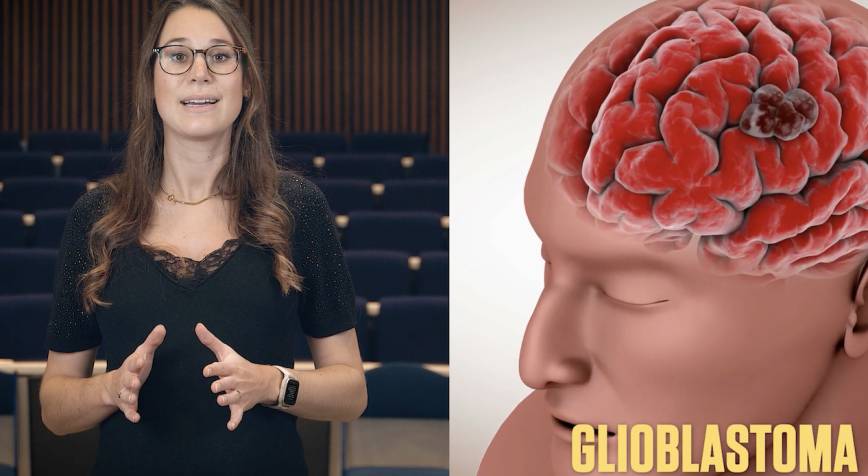
Once diagnosed with glioblastoma, a highly aggressive brain cancer, a patient has on average only 15 months to live. "This terrible statistic shows that we urgently need new treatment options," says Myrthe Mampay (VUB - FWO). In her research, she is looking for one such new treatment based on immunotherapy, in which she wants to use patient stem cells to make macrophages that attack the tumour.
Snehashis
Nandi

Challenges with long-acting medication

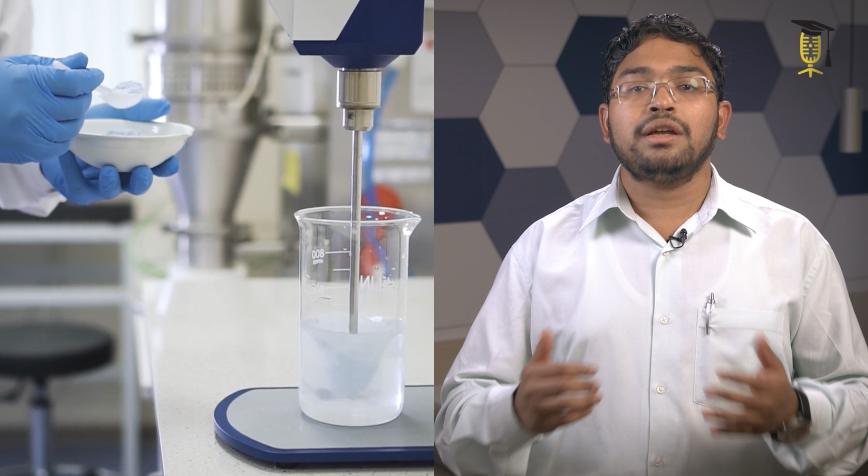
People suffering from a chronic brain disorder can be helped with long-acting injectables, medication that works for a long time and no longer requires them to take pills every day. But the traditional manufacturing process of long-acting medication is complex, time-consuming, and requires a lot of energy. Snehashis Nandi investigates how long-acting injectables can be produced sustainably and efficiently. 
Fatima
Anjum

From a pill every few hours to an injection every few months

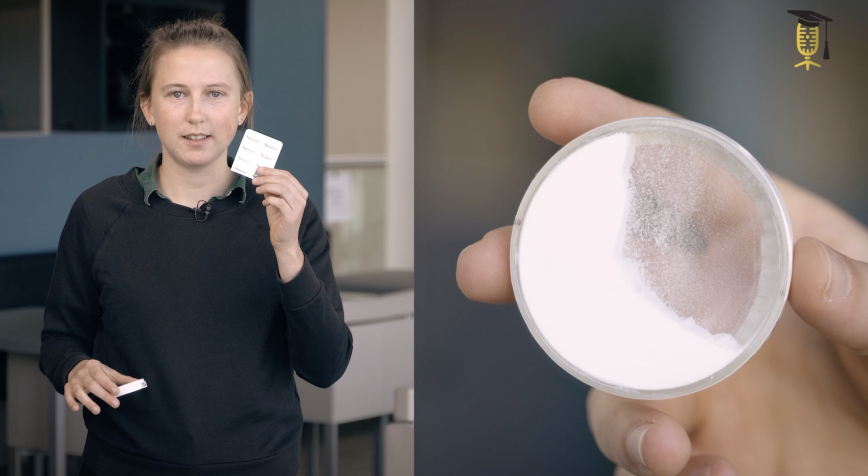
Drugs in pill form work quickly, but their effects wear off just as fast. That's why people with chronic conditions have to take a pill every few hours. What if we could administer drugs in a different form so that they not only work fast but also last for weeks or even months? We can achieve this with long-acting injections, as Fatima Anjum explains 'crystal' clear in this video 😉
Margot
Coppens
KU Leuven

From powder to pills

Have you ever wondered how pills are made? A powder flows through a production line, falls into a hole, and gets compressed into a pill. Easy, right? And yet a lot can go wrong, as chemical engineer Margot Coppens explains. That's why she uses computer models to virtually test the powder mixtures and anticipate possible production problems.
Dimitri
Vrancken

Exercise during and after cancer

Every year, as many as 70,000 people in Belgium are told they have cancer. Studies show that exercise during treatment has a beneficial effect on the quality of life of cancer patients. And yet 70% of them move a lot less after the diagnosis than before. With 'Moving Cancer Care', Dimitri Vrancken and his colleagues tackle these questions and offer tools to get cancer patients to exercise more.
Michelle
Laeremans
VITO

Chemicals in the body mapped

To measure is to know. That is the credo of Michelle Laeremans (VITO). Together with a team of researchers, she monitors the health of 300 children in Mol, Dessel, and Retie (Belgium). They do this from pregnancy until the child reaches the age of 18. In this way, they map exposure to chemicals.
Saar
Vermijs
FWO
UGent

Kidney surgery: a race against the clock

When removing a kidney tumor, a surgeon has just 20 minutes to do the job. During the operation, the surgeon has to cut off the blood supply to the kidney to avoid a true blood bath. But if the kidney is without blood for too long, too much of it will die off, causing the kidney to malfunction. Using mathematical models, Saar Vermijs aims to help surgeons in their race against the clock...
Joke
Deschildre
FWO
UGent

Smart cancer treatment of glioblastoma via networks

Today, we can treat cancer better than ever. Yet some cancer types remain very difficult to fight. Such is the case of glioblastoma, a highly aggressive brain cancer in which only 7 in 100 patients are still alive five years after diagnosis. Hoping to help glioblastoma get small, Joke Deschildre doctored a sophisticated strategy to attack cancer cells.
Leen
Bouckaert
Arteveldehogeschool Gent

How do occupational therapists stay up-to-date when caring for older people living at home?

As an occupational therapist, how do you ensure that older people can continue to live independently and safely at home for as long as possible? That they can continue to drive their own car? Or that they can use public transport when that is no longer possible? To better support occupational therapists working with older people living at home, Leen Bouckaert & her colleagues drew up a clinical guideline. In it, they pour the latest scientific insights on elderly care into concrete recommendations for occupational therapists.
Milos
Mihajlovic
VUB

What does the liver think of artificial feeding?

Artificial feeding, such as parenteral nutrition -food that is injected directly into the bloodstream- is crucial for critically ill patients. It keeps them alive, but unfortunately, it can cause significant liver damage in the long run. To prevent liver injury, Milos Mihajlovic and his colleagues are developing an advanced human liver model in a dish to better understand how food injection leads to liver damage.
Carlos Leonidas
Leiva
VUB

How do wildfires affect your health?

In the last decade, wildfires peaked at record numbers in different countries across the world. These fires destroy houses and burn down forests, but they also have other important 'unseen' effects. "Smoke from wildfires leads to high air pollution, which is associated with short and long-term risks, such as respiratory and cardiac diseases", as Leonidas Leiva explains. He's working on new materials to recognize, capture and neutralize these contaminants.
Olaya
Lara
FWO
VUB

Sidelining Lionel Messi in fight against pancreatic cancer

Over the past five years, solid progress has been made in the fight against cancer, but unfortunately, that does not apply to pancreatic cancer. So what makes this cancer so hard to beat? Olaya Lara (VUB) explains this by comparing it to a football match. She also tells you what tactics she figures out to sideline xCT, the Lionel Messi in the pancreatic cancer team.Â