Videos

Nishat
Hyder-Rahman
VUB

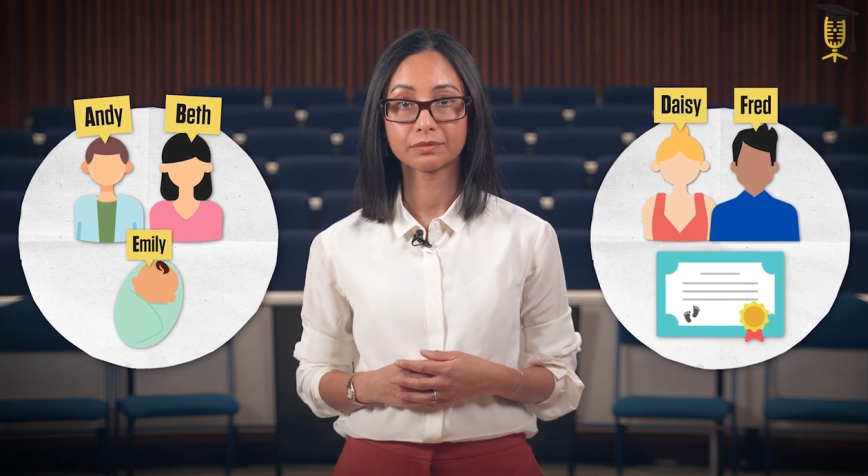
What makes your mother, your mother? Legal parenthood and assisted reproduction.

What makes someone a parent? In families formed through assisted reproduction, that answer isn’t always clear — and the law doesn’t always keep up.
Nishat Hyder-Rahman, researcher at VUB, is working on a legal framework that improves birth registration so that it reflects the real-life complexity of modern parenthood. Her research compares international approaches and listens to families, donors, and surrogates to develop better legal recognition.
Britt
Bocken
UHasselt

EU Green Deal: how to deal with unclear regulations?

How can we refine EU climate policies to better harness forests for capturing and storing carbon? That's the question Britt Bocken is exploring as she investigates the extensive and complex EU Green Deal - the EU's climate policy. She wants to clarify the complexities of this regulation, and examine how countries like Belgium apply the rules in practice, to see if there is room for improvement.
Amber
Jans
UHasselt

Dementia's double trouble: navigating between love and law

Amber Jans studies dementia—not as a doctor, but as a legal researcher. While a dementia diagnosis is primarily a medical issue, it also comes with important legal consequences, especially for families. Jans explores the challenges of creating a legal system that considers the interests of the person with dementia, their spouse, and their relationship as a couple.
Silke
Marynissen
FWO
VUB

Is there music in prison?

99% of people in prison are released at some point. So it is crucial to prepare them for this release. Music can help with this, explains education scientist Silke Marynissen (VUB - FWO) in this video.
Victoria
Wozniak-Cole
KU Leuven

The stigma of being a human trafficking victim

You might think that slavery is something from the past, but it's not. Even today over 40 million people are being exploited through prostitution, forced labor or organ trade globally. There is a lot of research on human trafficking, but little attention is paid to the experiences of victims afterward. Through interviews, Victoria Wozniak-Cole is giving them a voice. She hopes to better understand the negative treatment they get and help break the stigma they face.
Charlotte
Bücken
FWO
KU Leuven

How well can you trust your memory?

Our memory does not work like a video camera. We can remember details or entire events that we never actually experienced. This phenomenon is called 'false memories' and it can be problematic in court, where the decision of whether someone is guilty or not can rely entirely on memory evidence. Charlotte Bücken researches if memory for negative events can be compromised by false denials.
Laura
Drechsler
FWO
VUB

What data protection can do for you

Ever wondered why your smartphone seems to know everything about you? You talk to a friend on Whatsapp about getting a new coffee machine and suddenly you see online ads about coffee machines everywhere. What is happening and what can we do about this? Laura Drechsler (VUB - FWO) tells you more about data & data protection law in this video.
Marie
DeCock
UHasselt

The inter-municipal company: time for a make-over?

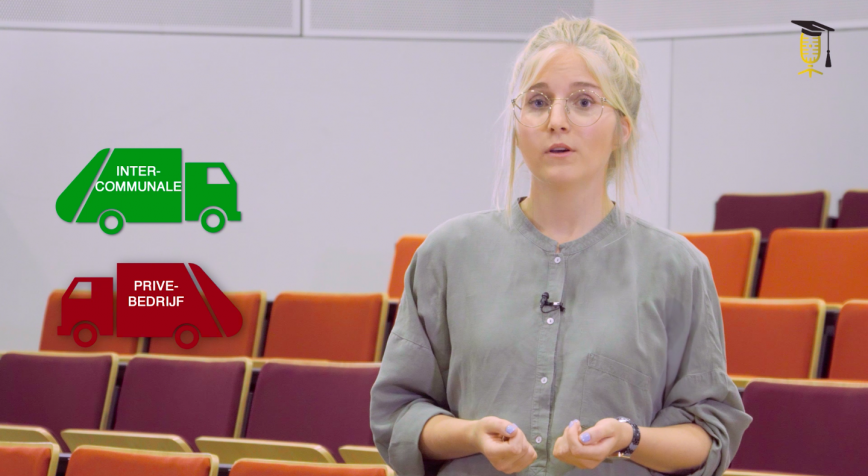
Who collects your waste, ensures that water comes out of your tap and that your lamp lights up? Precisely: an inter-municipal company - a collaboration between cities and municipalities in a special company form. The most important rules for this type of 'public company' date from a law that is now almost 100 years old and is beginning to show some major cracks. This is why Marie DeCock (University of Hasselt - University of Ghent) wants to update the legislation.
Evelien
Timbermont
VUB

Wanted: teachers!

Our education system suffers from a shortage of teachers. During her PhD Law researcher Evelien Timbermont (VUB) discovered one of the causes of this problem: the outdated & complicated rules for the employment of teachers. Fortunately, she also knows the solution to this problem.
​​​​​​​Júlia
Zomignani Barboza
VUB

Undesirable migrants: should they stay or should they go?

If a criminal comes to your country and wants to stay: do you think your government should allow him to? ​​​​​​​Júlia Zomignani Barboza sheds some -legal- light on this matter.
Latif
Kadri
VUB

Good versus evil. You are NOT free to choose! 😇 👿

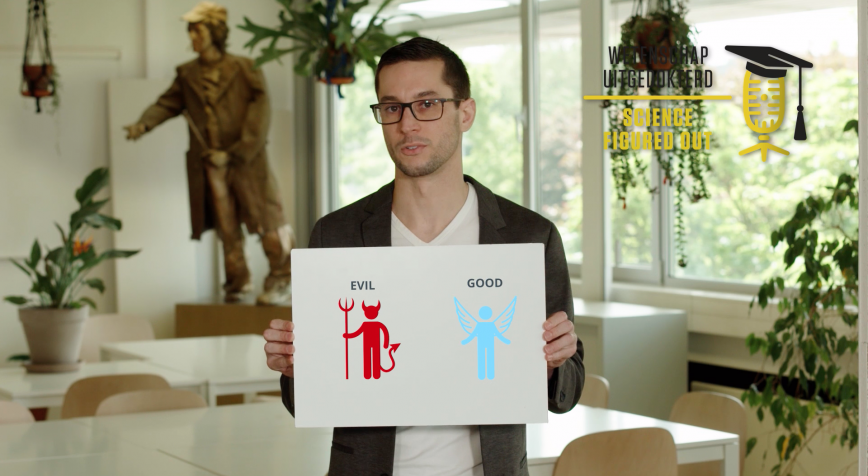
If you are good, you get rewarded. If you are bad, you get punished. That's how, simply put, our justice system works. Simple right? Not really...
Diletta
Marchesi
FWO
KU Leuven

Can international criminal law protect fundamental procedural human rights?

Diletta Marchesi investigates the role that international criminal law can play in guaranteeing human rights, such as the right to freedom and a fair trial.