Videos

Marina
Perdigao
VITO

Microbes converting greenhouse gases into biofuels

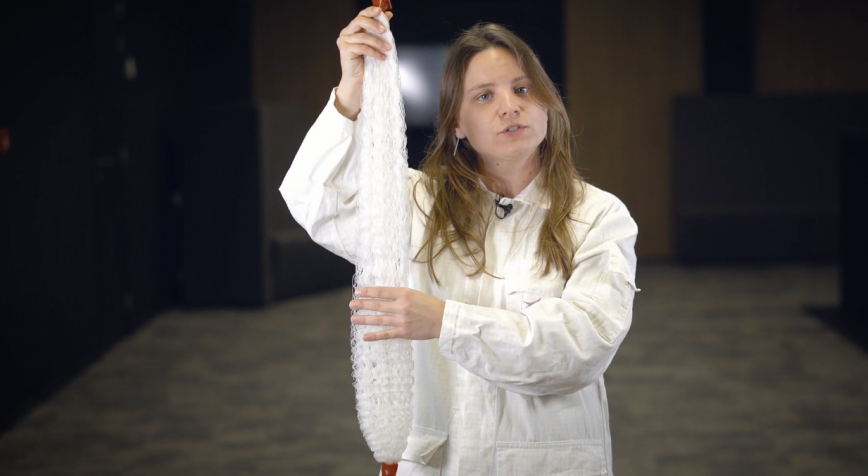
Saving good microbes from starvation. That is the aim of the research carried out by Marina Perdigao Elisiario (VITO - TU Delft). This is necessary because the microbes she works with can help us in the fight against climate change. They are very good at converting greenhouse gases such as CO2 and carbon monoxide into biofuels. Unfortunately, with the current techniques, they die of starvation too often and too quickly. Marina is working on a new technique to overcome this.
Michiel
Kenis
KU Leuven
VITO

How to make renewable energy flow through Europe?

The production of renewable energy has increased significantly in recent years. But the sun doesn't always shine as brightly, nor does the wind always blow. Fortunately, we can exchange electricity between different countries. This way, Germany can benefit from the Spanish sun and Spain from the German wind. But international trade unfortunately isn't that straightforward... Michiel Kenis (VITO - KU Leuven - EnergyVille) explains why and what he is trying to do about it in this video.
Brida
Mbuwir
VITO

How to make efficient use of green electricity

What to do when you want to charge your car and the only source of energy you have are solar panels, but the sun is not shining? In her research Brida Mbuwir (VITO - Energyville) is looking for ways to solve this mismatch between green electricity generation and electricity consumption in large buildings. Listen to her explain how in this video.
Ahmed
Shafique
UHasselt
VITO

More sustainable batteries

Smartphones, laptops, electric cars, ... We simply cannot live without batteries. But did you know that in 5 years' time the demand for batteries is expected to be 15 times higher than today? But instead of producing 15 times more batteries, wouldn't it be better to meet the demand by making more powerful batteries? That is why Ahmed Shafique is working on a new generation of batteries: lithium-sulfur batteries.
Yannick
Wack
KU Leuven
VITO

Can we heat our homes without emitting CO2?

Did you ever hear of 'heat networks'? These are networks of underground pipelines carrying hot water from geothermal plants to houses & buildings. They offer an interesting and sustainable approach to heating. But the larger the network of houses to be heated becomes, the more complex it becomes to manually design an efficient heat network. That's where Yannick Wack's (VITO - KU Leuven - Energyville) research comes in...
Kristof
Bal
FWO
UAntwerpen

CO2 - a tough nut to crack

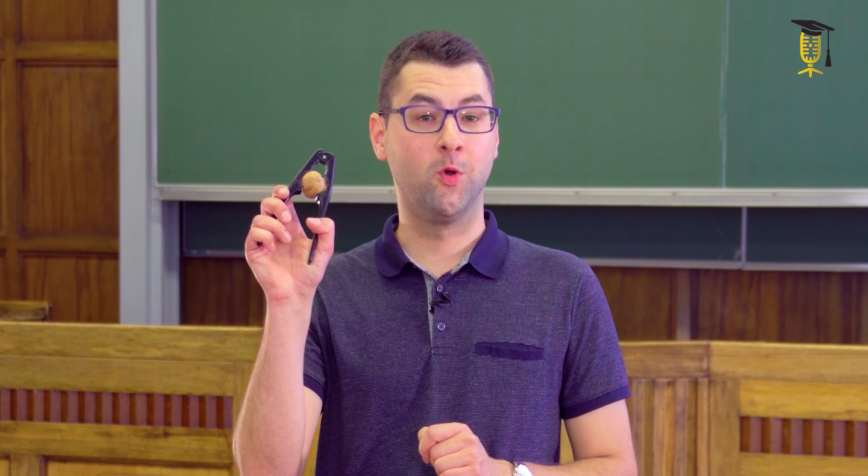
What does a nutcracker have to do with tackling climate change? Well, Kristof Bal explains it to you in 150 seconds.
Michiel
Van Tendeloo
UAntwerpen

From toilet to sewer: time for water purification 2.0

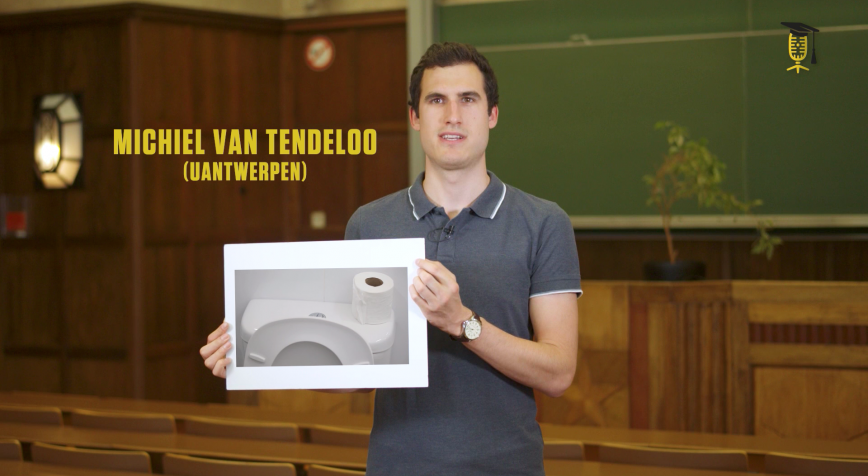
What if we could generate energy through our numerous toilet visits? Michiel Van Tendeloo wants to make this work through water purification 2.0.
Jacopo
Sala
imec
KU Leuven

Window solar panels

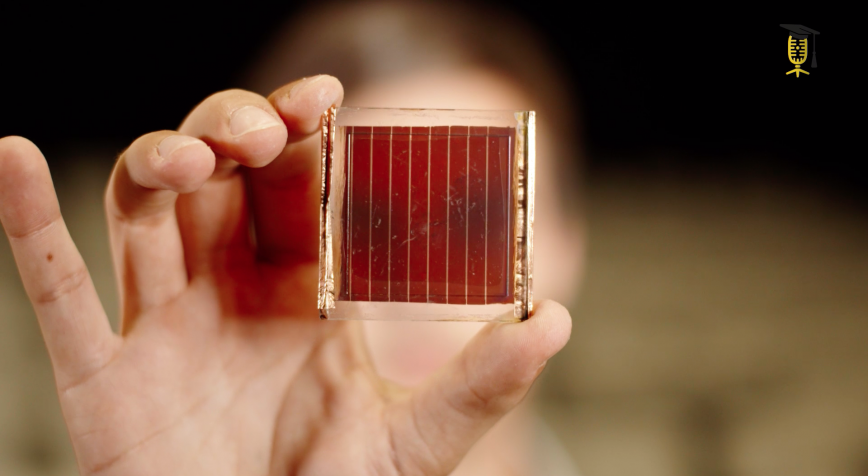
"If we would cover the entire surface of Portugal with solar panels , this would generate enough energy to power the entire world. But of course, no Portuguese would ever allow this. But what about using their windows?" Jacopo Sala talks about new generation of solar panels.