About the research
Why do climate policies sometimes fail? The Yellow Vest movement in France showed us: even well-intentioned policies, like fuel taxes to cut emissions, can backfire if they ignore how people actually make decisions. Nobel Prize winner Daniel Kahneman proved it: our choices aren’t always logical.
What if we could test policies before rolling them out? Guillermo Borragan’s research team uses behavioral science and computer modeling to create virtual households that simulate how different groups respond to subsidies, taxes, or renovation programs. The result? Smarter, more effective climate policies that save public money and work with human behavior.
Because better climate policy isn't just about technology or economics, it's about people.
Sustainability
Energy
Contact Guillermo


Related videos
KU Leuven
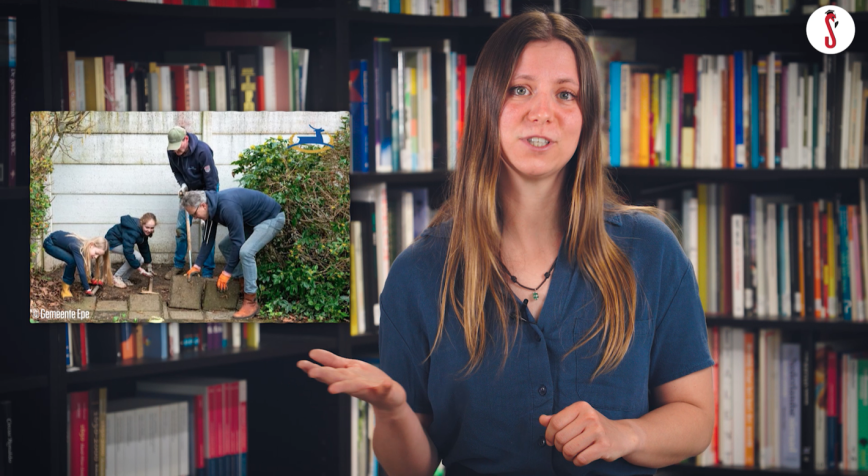
From private garden to collective climate solution
Did you know the largest green spaces in Flanders aren't all forests or protected nature? It's the private gardens, which together cover more than 12% of the region. Imagine if those gardens could help protect us from extreme weather, including the heat stress we're experiencing these days. Unfortunately, most gardens aren't designed to do that. Too much pavement, closely mown lawns, and too few trees limit their potential to cool our surroundings, absorb rainwater, and support biodiversity. Researcher Janne Teerlinck is exploring how we can change that.

ILVO
Carbon farming: a climate solution beneath our feet
Did you know the soil beneath your feet could be one of our most powerful tools against climate change? Hui Xu explains how carbon farming, through practices like planting trees, growing cover crops, or reducing plowing, can help store 50 million tons of CO₂ per year by 2030. Farmers can even receive a reward for carbon farming. But there’s a catch: How do we measure it?

VITO
Recycling but for gases!
What if we could recycle CO2, just like glass or paper? CO2 is a major driver of climate change, but what if we could turn this greenhouse gas into something useful? In her research at VITO, Avni Guruji is exploring how to transform CO2 into valuable products, like fuels and industrial gases.
