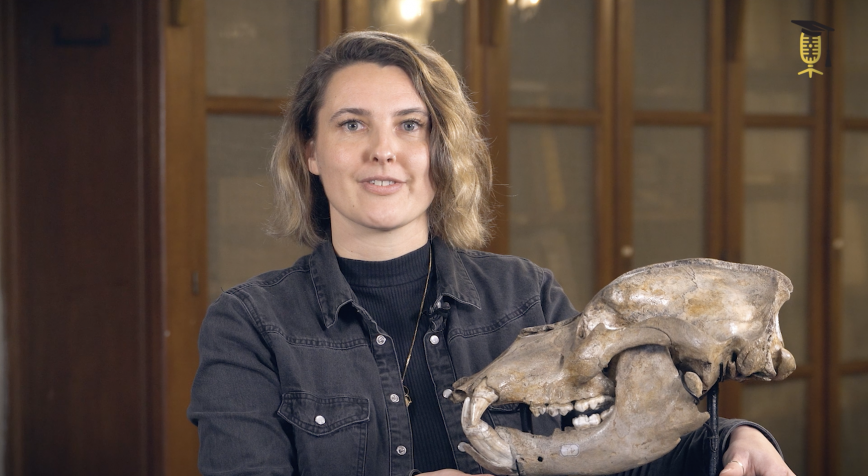
How did people in dry regions survive long periods without rain in the past? Instead of suffering through drought, they adapted! In Cyprus, people built stone terraces into hillsides. These terraces slowed down the flow of rainwater, helping the soil retain moisture and making farming possible in even the driest seasons. Today, archaeologist Ella Egberts (VUB) is uncovering the secrets of these ancient terraces. Using quartz-based dating and microscopic plant analysis, she’s exploring what people once grew, how they managed the land, and what we can learn from their techniques. Her research shows that long before modern technology, people were already building climate resilience. These ancient insights could offer new inspiration for sustainable land use in drought-prone regions today.
Contact Ella

Related videos

Climate change and historical heritage: friends or foes?
Bucharest: how to create an iconic image of the city?