Videos

Elia
Veirman
ILVO
KU Leuven

Capricious proteins: custom-grown faba beans

Making chocolate mousse or mayonnaise without animal proteins? It’s perfectly possible using plant-based proteins, such as those from faba beans. However, these proteins can be rather capricious: some are ideal for a light and airy mousse, whilst others are better suited to a thick mayonnaise. Nutrition scientist Elia Veirman is investigating how factors such as variety and weather conditions influence protein formation. This will enable farmers to predict what their harvest is suitable for.
Esther
Geukens
ILVO
KU Leuven

Is Japanese holly a good alternative to boxwood?

Away with bare boxwood bushes! The infamous boxwood moth went on a rampage in Flanders in recent years πŸ›πŸŒ³ But don't panic! Meet Japanese holly, a robust alternative that is immune to these voracious caterpillars. The catch? The soil in many Flemish gardens is not acidic enough for this shrub to grow well. Bioengineer Esther Geukens will therefore tinker with the plants and the soil so that Japanese holly can thrive here.
Kobe
Coorevits
ILVO
KU Leuven

Smart measurement of emissions in dairy barns

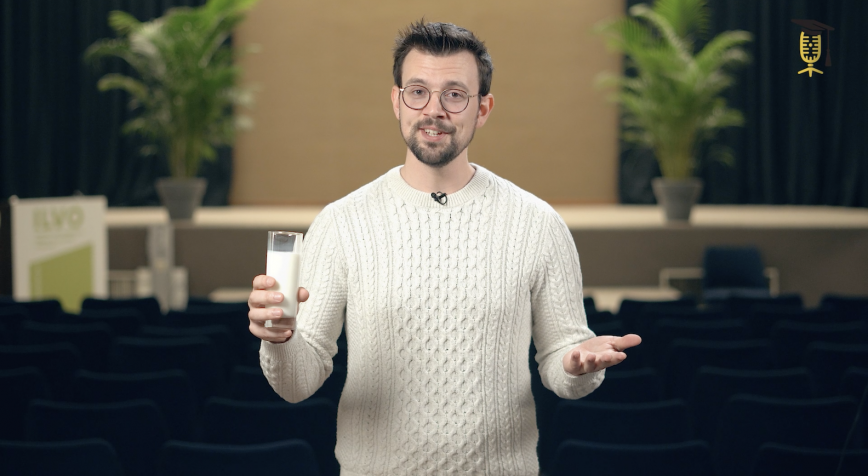
Milk is a source of many delicacies, such as cheese and ice cream. Unfortunately, milk also has a smell to it... Cows produce ammonia and methane through their breath and manure. These harmful gases are mainly released when cows are in their stables. In his Ph.D., Kobe Coorevits is looking for a way to accurately and affordably monitor the emission of these gases in dairy barns.
Wout
Vierbergen
ILVO
KU Leuven

A peek under the peel of a potato

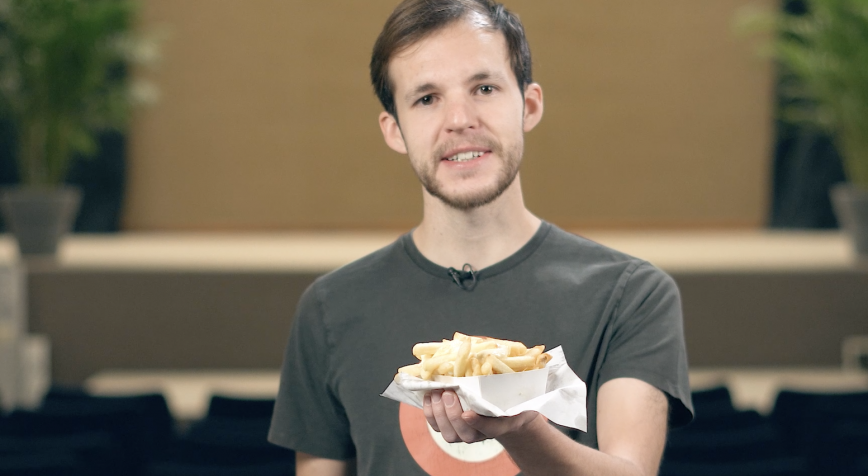
Making fries is something we Belgians are already very good at. But we can do even better, says Wout Vierbergen (ILVO - KU Leuven). He uses technology (Hyperspectral cameras! AI !) to detect black spots under the skin of a potato. In this way, he wants to help producers detect blistered potatoes so that they are left with only the finest ones to make our fries.
Isabeau
Coopmans
ILVO
KU Leuven

How do you increase farmers' resilience?

The corona pandemic, the energy crisis, the new nitrogen policy, ... Our farmers are having a hard time lately. How do farmers best face such challenges so that they can continue to produce the food on our plates? That is what Isabeau Coopmans investigated in her PhD through surveys and interviews with farmers.
Ruben
Van De Vijver
ILVO
KU Leuven

Drones map potato diseases

In Belgium, we grow a lot of potatoes. Unfortunately, potato plants are very susceptible to diseases. To prevent the spread of diseases, farmers spray their entire potato field with pesticides. Ruben Van De Vijver (ILVO) wants to use drones and artificial intelligence to spray only sick plants. Find out more in the video.