Extra logo's

Effective climate policy starts with understanding how real people decide
Climate policies often fail because they overlook the irrational ways people make decisions, like the backlash against the fuel tax in France. This shows that better climate policy isn’t just about tech or economics, it’s about understanding people. That's why researcher Guillermo Borragan uses behavioral science and virtual simulations to test how different groups react to policies like subsidies or taxes, making them more effective.
Sustainability
Energy

About us
SciComm Clips lures scientists out of their trusted lab or office space and places them in front of a camera with a clear task: inform the general public in a clear 3-minute pitch about your research!
The project is an initiative of the non-profit SciMingo

Do you want to record a SciComm Clip about your research?
Follow the video & pitch course via our SciComm Academy
Search videos
KU Leuven
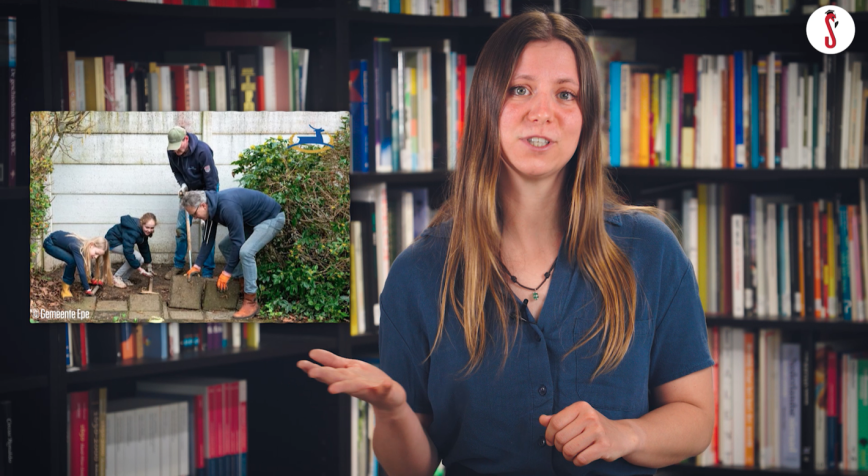
From private garden to collective climate solution
Did you know the largest green spaces in Flanders aren't all forests or protected nature? It's the private gardens, which together cover more than 12% of the region. Imagine if those gardens could help protect us from extreme weather, including the heat stress we're experiencing these days. Unfortunately, most gardens aren't designed to do that. Too much pavement, closely mown lawns, and too few trees limit their potential to cool our surroundings, absorb rainwater, and support biodiversity. Researcher Janne Teerlinck is exploring how we can change that.
UGent
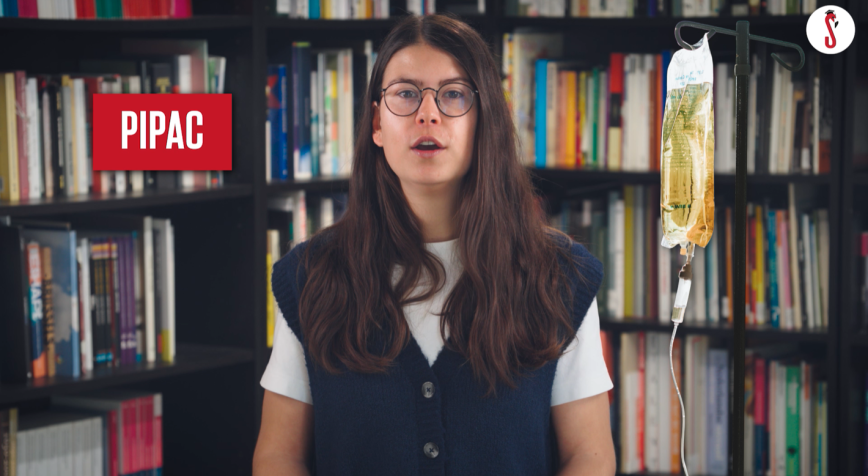
Treating peritoneal cancer: keeping chemotherapy in the abdominal cavity for longer
Have you ever heard of the peritoneum? This thin membrane, measuring about two square metres, lines our abdominal cavity and covers our organs. When cancer spreads to this area, it results in peritoneal cancer: a complex disease that is difficult to treat. Cancer researcher Judith van Ovost explains how she and her colleagues are trying to improve treatment using two new techniques.
UGent
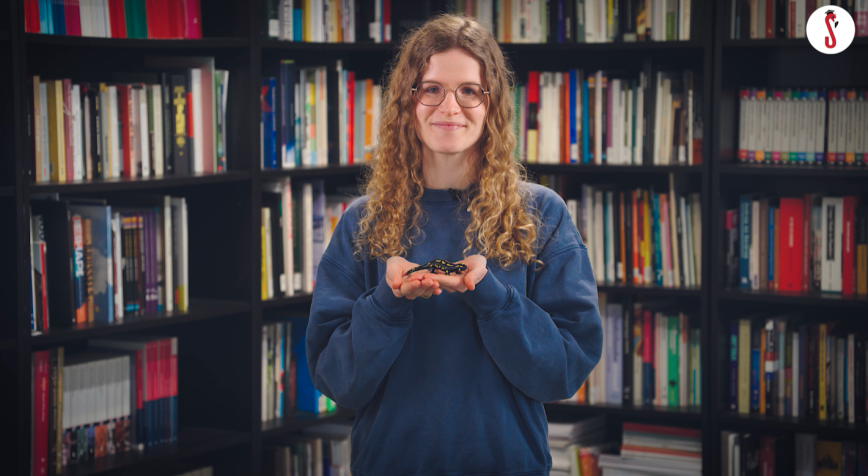
Deadly fungus threatens salamanders
The fire salamander is critically endangered. The culprit? A deadly fungus that attaches itself to the salamanders’ skin, infects their bodies and eats the creatures alive. In the Netherlands, the species has almost disappeared, and the fungus is now also appearing in Belgium. Bioengineer Ruth Verhamme is researching the fungus to find ways to help save the salamanders. And you can help too!

ILVO
KU Leuven
Capricious proteins: custom-grown faba beans
Making chocolate mousse or mayonnaise without animal proteins? It’s perfectly possible using plant-based proteins, such as those from faba beans. However, these proteins can be rather capricious: some are ideal for a light and airy mousse, whilst others are better suited to a thick mayonnaise. Nutrition scientist Elia Veirman is investigating how factors such as variety and weather conditions influence protein formation. This will enable farmers to predict what their harvest is suitable for.

ILVO
How single cells empower plant breeding
Imagine potatoes that are resistant to potato blight. Belgian witloof that tastes less bitter. Or chrysanthemums with new, innovative flower colors. ILVO researcher Tom Eeckhaut explains how protoplasts, isolated plant cells, can help us achieve these things. Watch the video

ILVO
Carbon farming: a climate solution beneath our feet
Did you know the soil beneath your feet could be one of our most powerful tools against climate change? Hui Xu explains how carbon farming, through practices like planting trees, growing cover crops, or reducing plowing, can help store 50 million tons of CO₂ per year by 2030. Farmers can even receive a reward for carbon farming. But there’s a catch: How do we measure it?
Gold partners