About the research
3.5 liters of wastewater for 1 kg of vegetables 🥕💧 That's the amount of wastewater - full of sand, dirt and potentially pesticides - that is generated every time vegetables like carrots or beans are processed. This water often ends up in our rivers and streams, where even low concentrations of pesticides can harm fish, crabs, and other aquatic life. Current treatment methods fail to remove these pollutants, but Perry Hoendervangers (VITO) is testing two new approaches. Watch the video to see how we can protect our rivers and lakes!
Environment
Contact Perry


Related videos
UGent
Deadly fungus threatens salamanders
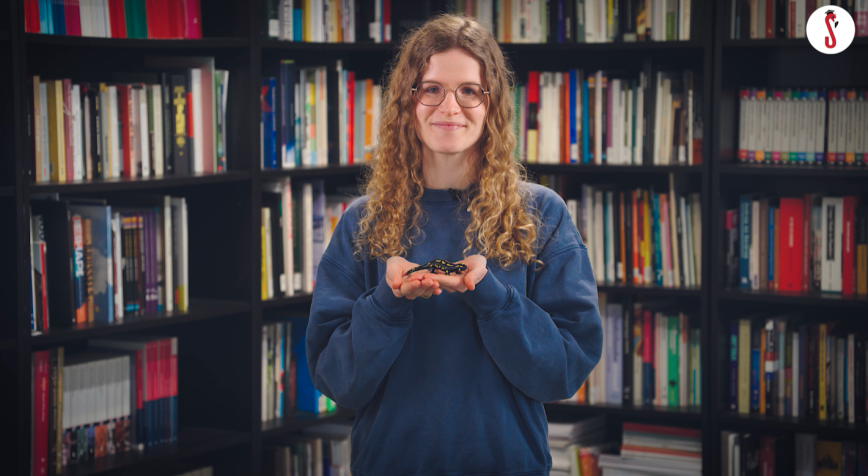
The fire salamander is critically endangered. The culprit? A deadly fungus that attaches itself to the salamanders’ skin, infects their bodies and eats the creatures alive. In the Netherlands, the species has almost disappeared, and the fungus is now also appearing in Belgium. Bioengineer Ruth Verhamme is researching the fungus to find ways to help save the salamanders. And you can help too!

ILVO
Smart drones: your plants’ doctors
Did you give your mum a lovely bouquet on Mother’s Day? Behind those beautiful flowers lies a great deal of work on the part of the grower. And what is the grower's greatest fear? That a fungus or disease will spread rapidly and destroy the entire crop. Arno Kasprzak (ILVO) wants to address this using drones and AI.

VITO
Recycling but for gases!
What if we could recycle CO2, just like glass or paper? CO2 is a major driver of climate change, but what if we could turn this greenhouse gas into something useful? In her research at VITO, Avni Guruji is exploring how to transform CO2 into valuable products, like fuels and industrial gases.
