Videos

Guillermo
Borragán
VITO

Effective climate policy starts with understanding how real people decide

Climate policies often fail because they overlook the irrational ways people make decisions, like the backlash against the fuel tax in France. This shows that better climate policy isn’t just about tech or economics, it’s about understanding people. That's why researcher Guillermo Borragan uses behavioral science and virtual simulations to test how different groups react to policies like subsidies or taxes, making them more effective.
Janne
Teerlinck
KU Leuven

From private garden to collective climate solution

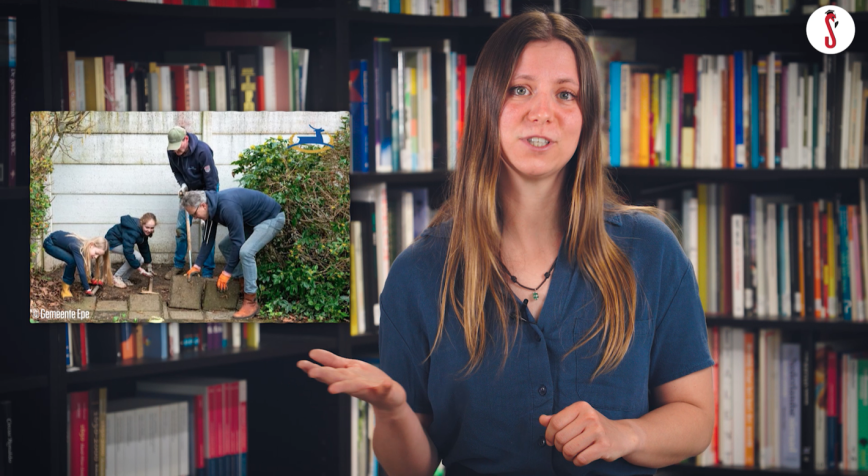
Did you know the largest green spaces in Flanders aren't all forests or protected nature? It's the private gardens, which together cover more than 12% of the region. Imagine if those gardens could help protect us from extreme weather, including the heat stress we're experiencing these days. Unfortunately, most gardens aren't designed to do that. Too much pavement, closely mown lawns, and too few trees limit their potential to cool our surroundings, absorb rainwater, and support biodiversity. Researcher Janne Teerlinck is exploring how we can change that.
Hui
Xu
ILVO

Carbon farming: a climate solution beneath our feet

Did you know the soil beneath your feet could be one of our most powerful tools against climate change? Hui Xu explains how carbon farming, through practices like planting trees, growing cover crops, or reducing plowing, can help store 50 million tons of CO₂ per year by 2030. Farmers can even receive a reward for carbon farming. But there’s a catch: How do we measure it?
Avni
Guruji
VITO

Recycling but for gases!

What if we could recycle CO2, just like glass or paper? CO2 is a major driver of climate change, but what if we could turn this greenhouse gas into something useful? In her research at VITO, Avni Guruji is exploring how to transform CO2 into valuable products, like fuels and industrial gases.
Pieter-Jan
Piccard
UHasselt
VITO

How AI can help to remove PFAS from groundwater

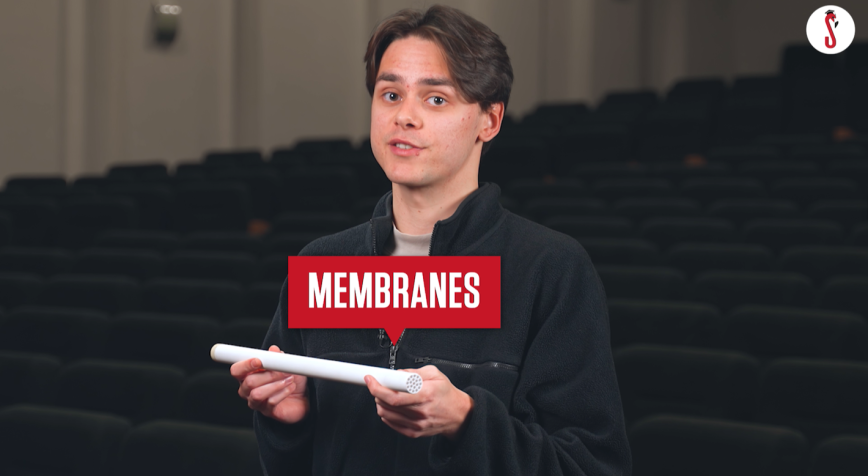
What if we could remove "forever chemicals" from water, without boiling a single drop? PFAS, the notorious "forever chemicals," can linger in groundwater for centuries, posing a major environmental and health challenge. Traditional methods to remove them are energy-intensive and inefficient, but what if there’s a smarter way? Researcher Pieter-Jan Piccard is using machine learning models to design advanced membranes that filter out PFAS and other harmful molecules without the need for boiling.
Géraldine
Dumont
VITO

Making invisible plastics visible

Every year, millions of tons of plastic break down into micro and nanoplastics, infiltrating our oceans, food, and even the air! Yet these tiny particles remain nearly undetectable. That's why chemist Géraldine Dumont is using a technique to trap, analyze, and identify plastics -even at the nanometer scale- using their unique chemical fingerprints. Her work aims to reveal the true scale of plastic pollution because, as she puts it, "The better we measure, the better we can protect our environment."
Jan
Lim
KU Leuven

How citizens can shape urban planning

"Leave it to the experts. You don't understand the technical stuff." A thought city planners sometimes have. But urban designer and researcher Jan Lim (KU Leuven) argues for something different: meaningful citizen involvement. "City planning isn't just technical. It's also political... These choices shape the kind of city we live in. So citizens need to talk about them."
Paulien
Leemans
UAntwerpen
VUB

How waste-eating microbes could reinvent your beauty routine

Would you rub fossil fuels on your face? Because chances are… you already do.

Paulien Leemans explains how glowing skin doesn’t have to come at the planet’s expense. By reprogramming bacteria, she turns waste like used cooking oil into sustainable skincare ingredients. From greasy leftovers ... to glowing skin.
Fien
Demarest
Thomas More Hogeschool

Dealing with clothing more intelligently

We are producing more clothing than ever before, but wearing it less and less... How can we give clothing a second, third, or fourth life? And how can fashion companies respond to this in a sustainable and profitable way? Fien Demarest is working with Flemish fashion companies to investigate how circular business models—such as resale, rental, and repair—really work in practice.
Eline
Bens
AP Hogeschool Antwerpen

Warehouse heroes of tomorrow

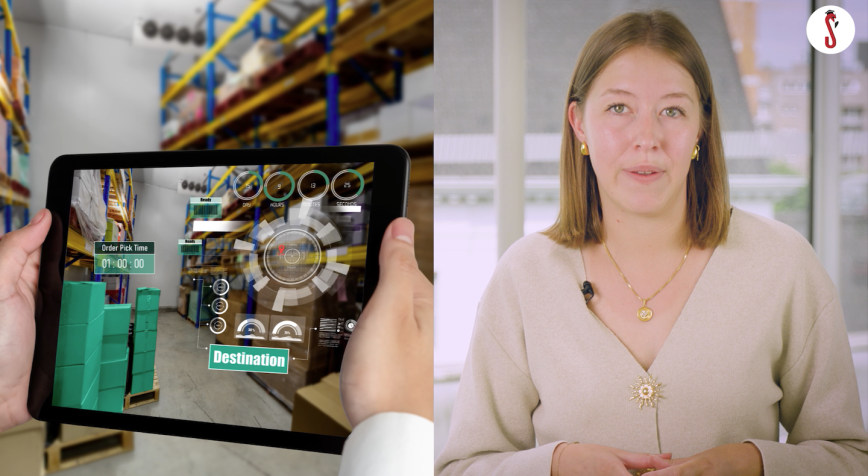
Thousands of logistics vacancies remain unfilled in Flanders and the Netherlands. Researcher Eline Bens (AP University College) shows how the Interreg project 'Warehouse Heroes of Tomorrow' focuses on practical learning materials, knowledge clips and a virtual warehouse environment to prepare low-skilled and foreign-language newcomers more quickly for the warehouse of the future.
Bart
Craeye
Odisee
UAntwerpen

How bad is concrete rot?

What if your balcony suddenly collapses? It sounds like something out of a horror movie, but accidents like this happen regularly. The main culprit: concrete rot. Professor Bart Craeye is researching ways to save our bridges, tunnels, and buildings from corrosion and collapse. One promising approach is to apply a slight electrical current to the concrete.
Lionel
Delchambre

How to prevent your solar panels from disconnecting

In 2024, Belgium installed a record-breaking 4.5 million solar panels—but many of them shut down during peak sunlight due to grid overload. Why does this happen, and what can we do about it? ​​​​​​​Researcher Lionel Delchambre takes us into his work modeling the electricity grid using real data to help keep our solar panels connected.