Videos

Ruth
Verhamme
UGent

Deadly fungus threatens salamanders

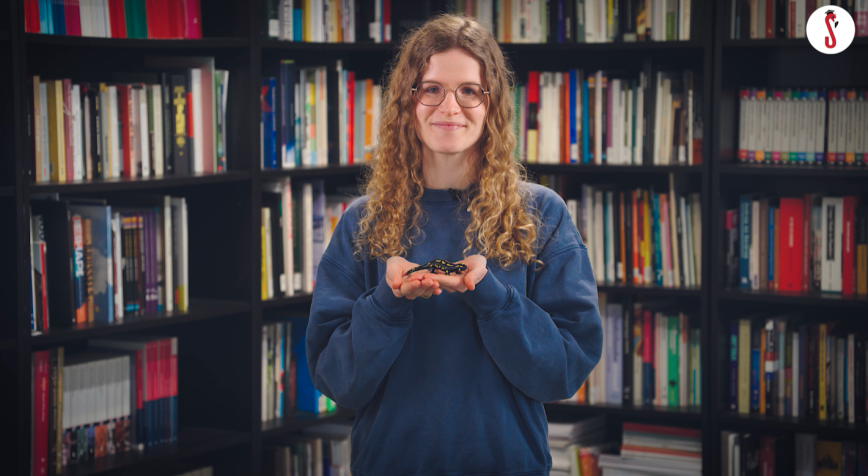
The fire salamander is critically endangered. The culprit? A deadly fungus that attaches itself to the salamanders’ skin, infects their bodies and eats the creatures alive. In the Netherlands, the species has almost disappeared, and the fungus is now also appearing in Belgium. Bioengineer Ruth Verhamme is researching the fungus to find ways to help save the salamanders. And you can help too!
Arno
Kasprzak
ILVO

Smart drones: your plants’ doctors

Did you give your mum a lovely bouquet on Mother’s Day? Behind those beautiful flowers lies a great deal of work on the part of the grower. And what is the grower's greatest fear? That a fungus or disease will spread rapidly and destroy the entire crop. Arno Kasprzak (ILVO) wants to address this using drones and AI.
Avni
Guruji
VITO

Recycling but for gases!

What if we could recycle CO2, just like glass or paper? CO2 is a major driver of climate change, but what if we could turn this greenhouse gas into something useful? In her research at VITO, Avni Guruji is exploring how to transform CO2 into valuable products, like fuels and industrial gases.
Pieter-Jan
Piccard
UHasselt
VITO

How AI can help to remove PFAS from groundwater

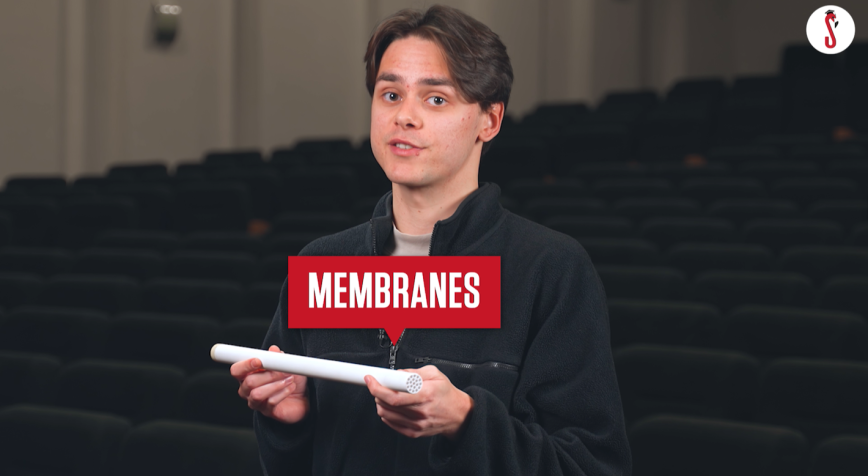
What if we could remove "forever chemicals" from water, without boiling a single drop? PFAS, the notorious "forever chemicals," can linger in groundwater for centuries, posing a major environmental and health challenge. Traditional methods to remove them are energy-intensive and inefficient, but what if there’s a smarter way? Researcher Pieter-Jan Piccard is using machine learning models to design advanced membranes that filter out PFAS and other harmful molecules without the need for boiling.
Géraldine
Dumont
VITO

Making invisible plastics visible

Every year, millions of tons of plastic break down into micro and nanoplastics, infiltrating our oceans, food, and even the air! Yet these tiny particles remain nearly undetectable. That's why chemist Géraldine Dumont is using a technique to trap, analyze, and identify plastics -even at the nanometer scale- using their unique chemical fingerprints. Her work aims to reveal the true scale of plastic pollution because, as she puts it, "The better we measure, the better we can protect our environment."
Sait
Mutlu Karahan
UGent
VITO

A weather forecast for ... salt

In coastal regions, freshwater rivers and the salty sea are locked in a constant tug-of-war. Seawater can creep inland, turning freshwater sources too salty for drinking. That's why Sait Mutlu Karahan (VITO - UGent) is developing a kind of "weather forecast for salt." This could help us predict salt levels in advance, so that we can safely withdraw drinking water from rivers before they become undrinkable.

Perry
Hoendervangers
UGent
VITO

Is processing our vegetables harming the environment?

3.5 liters of wastewater for 1 kg of vegetables? 🥕💧

Every time vegetables like carrots or beans are processed, wastewater is generated - full of sand, dirt, and potentially pesticides. This water often ends up in our rivers and streams. Perry Hoendervangers (VITO) is testing two new approaches to help vegetable processing companies treat their wastewater and protect our rivers and lakes.
Chukwuebuka
Eze
VUB

E-waste and liver function: uncovering the hidden dangers

What happens to your old electronics — and what do they do to our bodies?
Every year, millions of electronic devices are thrown away — many ending up in informal e-waste dumps in developing countries like Nigeria. However, this toxic trash creates serious health risks for people living or working nearby. Chukwuebuka Eze (VUB) is researching how exposure to toxic chemicals from informal e-waste recycling sites impacts liver health and increases the risk of disease.
Vincent
Ogembo
VUB

Lake Victoria: How to predict future floods?

Flooding around Lake Victoria has become increasingly deadly — with hundreds of lives lost and millions affected in recent years. But better forecasting could make all the difference.
Vincent Ogembo (VUB) is developing a Integrated Water Balance Model, that brings together satellite data and lake outflow measurements to predict future flood scenarios up to 2100. This research will help governments anticipate rising water levels and issue early flood warnings before disaster strikes.
Britt
Bocken
UHasselt

EU Green Deal: how to deal with unclear regulations?

How can we refine EU climate policies to better harness forests for capturing and storing carbon? That's the question Britt Bocken is exploring as she investigates the extensive and complex EU Green Deal - the EU's climate policy. She wants to clarify the complexities of this regulation, and examine how countries like Belgium apply the rules in practice, to see if there is room for improvement.
Pavlina
Podholova
Instituut Natuurwetenschappen

Stony reefs of Belgium: a hidden oasis under a threat

The stony reefs in the Belgian North Sea are full of life, but bottom fishing threatens to turn them into barren deserts. In this video, Pavlína Podholová (Royal Belgian Institute of Natural Sciences) explains how documenting the current status of these reefs will help guide future policies to preserve these vital underwater habitats and keep them thriving for future generations!
Ee Zin
Ong
Instituut Natuurwetenschappen

Floating solar panels on the oceans

In the near future, floating solar panels will be installed on the North Sea to boost green energy production. But what will happen to the marine organisms living underneath? That's the question Ee Zin Ong (Royal Belgian Institute of Natural Sciences) is investigating. By studying the effect of different floater materials on these organisms, he wants to help design eco-friendly solar panels that generate energy without harming marine life.