Videos

Thibaut
Duthois
UGent

Through the teachers’ eyes: inequity in early childhood education

5 seconds vs 10 minutes... That's the gap in teacher attention between two 3-year-old children in the same classroom during story time, and it's not random. In his PhD Thibaut Duthois (Ghent University) set out to find out why. Turns out the quietest kids, often the ones who need support most, get overlooked. To help fix this, Thibaut and his colleagues developed and tested a training program for teachers that actually closes the gap.
Judith
van Ovost
UGent

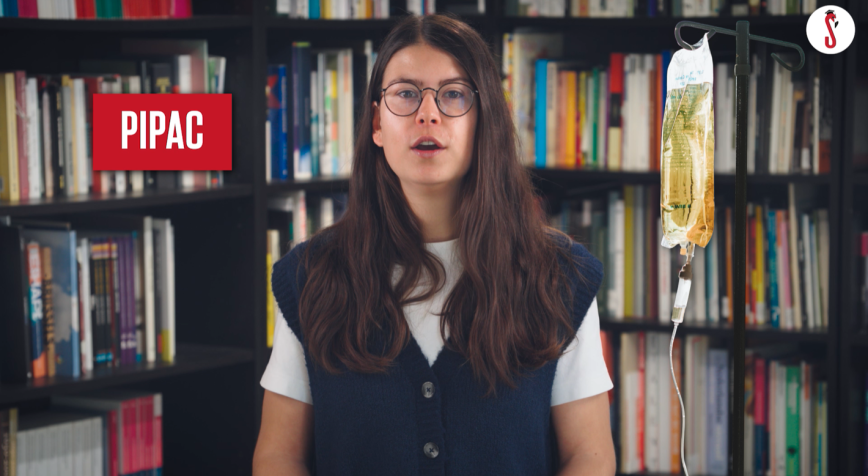
Treating peritoneal cancer: keeping chemotherapy in the abdominal cavity for longer

Have you ever heard of the peritoneum? This thin membrane, measuring about two square metres, lines our abdominal cavity and covers our organs. When cancer spreads to this area, it results in peritoneal cancer: a complex disease that is difficult to treat. Cancer researcher Judith van Ovost explains how she and her colleagues are trying to improve treatment using two new techniques.
Ruth
Verhamme
UGent

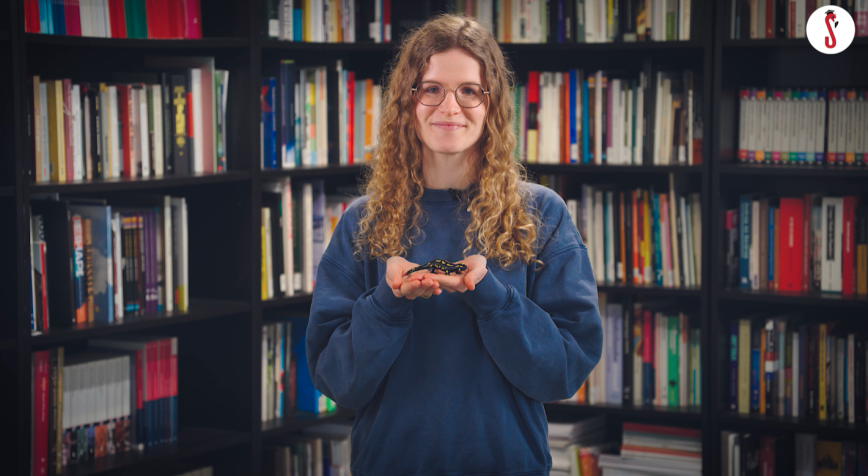
Deadly fungus threatens salamanders

The fire salamander is critically endangered. The culprit? A deadly fungus that attaches itself to the salamanders’ skin, infects their bodies and eats the creatures alive. In the Netherlands, the species has almost disappeared, and the fungus is now also appearing in Belgium. Bioengineer Ruth Verhamme is researching the fungus to find ways to help save the salamanders. And you can help too!
Sait
Mutlu Karahan
UGent
VITO

A weather forecast for ... salt

In coastal regions, freshwater rivers and the salty sea are locked in a constant tug-of-war. Seawater can creep inland, turning freshwater sources too salty for drinking. That's why Sait Mutlu Karahan (VITO - UGent) is developing a kind of "weather forecast for salt." This could help us predict salt levels in advance, so that we can safely withdraw drinking water from rivers before they become undrinkable.

Perry
Hoendervangers
UGent
VITO

Is processing our vegetables harming the environment?

3.5 liters of wastewater for 1 kg of vegetables? 🥕💧

Every time vegetables like carrots or beans are processed, wastewater is generated - full of sand, dirt, and potentially pesticides. This water often ends up in our rivers and streams. Perry Hoendervangers (VITO) is testing two new approaches to help vegetable processing companies treat their wastewater and protect our rivers and lakes.
Carl
Boel
Hogeschool VIVES
UGent

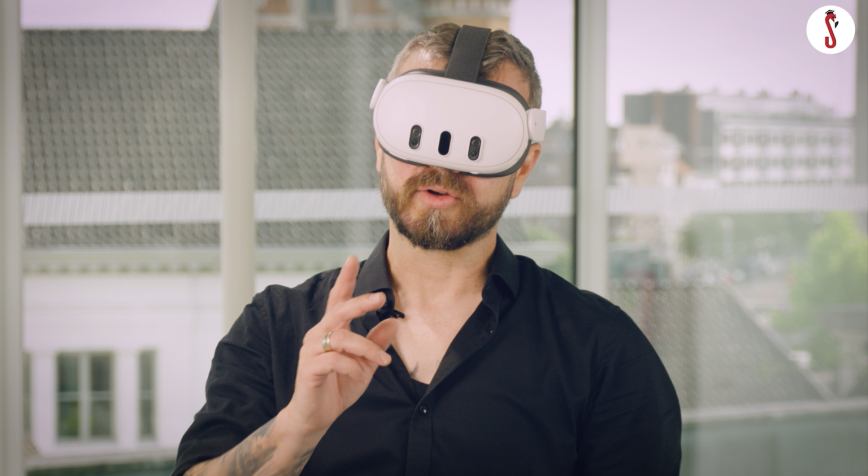
Will technology take over future classrooms?

Can artificial intelligence and virtual reality transform the way we teach and learn? Researcher Carl Boel explores how these technologies can make learning safer, more immersive, and more personalized - without replacing teachers.
Mauro
Van den Ende
UGent

Why do teens keep walking around with urinary problems?

Almost 1 in 3 teenagers still struggle with urinary complaints, but they carry on without seeking medical help, often out of shame. Urologist Mauro Van den Ende (UGent) wants to break this taboo with his research and thus help teenagers.
Niké
Guilbert
UGent

Gut bacteria leaving packets in our blood: a danger?

Niké Guilbert (UGent) discovered mysterious bacterial packets in the blood of some patients. Danger or medical breakthrough? Find out in this 2-minute video.
Jesse
Demuytere
UGent

The peritoneum as an accomplice for cancer metastasis

In more than 1 in 10 colon cancer patients, metastases emerge to a barely known body part: the peritoneum. Such peritoneal metastases are extremely deadly and difficult to treat. Cancer researcher Jesse Demuytere reveals how the peritoneum is not only a victim, but also possibly a henchman of the cancer cells. Watch the video.
Renée
De Noyette
UGent

Why it's best to hold your breath during breast cancer radiation treatment

In Belgium, one in nine women will develop breast cancer during their lifetime. With radiation, the disease can be treated. Although that radiation can also be harmful to the heart. Fortunately, there is a simple solution: hold your breath! Renée De Noyette (UGent) explains how this works.
Patricia
Clement
UGent

The mystery of menstruation and the female brain

For decades in science, brain research was done primarily on men. As a result, we know surprisingly little about the female brain. Patricia Clement (UGent - UZ Gent) wants to change that.
Florian
Vanlauwe
UGent

3D-printed organs are becoming reality

Every year, thousands of people die waiting for an organ transplant. 3D-bioprinted organs could help solve the global donor shortage - and save millions of lives. But there’s still one major hurdle: creating blood vessel networks inside lab-grown organs. Researcher Florian Vanlauwe (UGhent) is working on a new, promising technology to help foster this blood vessel growth.