Videos

Avni
Guruji
VITO

Recycling but for gases!

What if we could recycle CO2, just like glass or paper? CO2 is a major driver of climate change, but what if we could turn this greenhouse gas into something useful? In her research at VITO, Avni Guruji is exploring how to transform CO2 into valuable products, like fuels and industrial gases.
Dore
Staquet
UHasselt
VITO

Efficient personal data vaults

What if you could store your personal data in your own digital vault and control who accesses it? Computer scientist Dore Staquet is working to make this a reality by solving key challenges, like efficiently retrieving data when hospitals or services need it. His goal? Putting you back in control of your data, without sacrificing speed or convenience.
Pieter-Jan
Piccard
UHasselt
VITO

How AI can help to remove PFAS from groundwater

What if we could remove "forever chemicals" from water, without boiling a single drop? PFAS, the notorious "forever chemicals," can linger in groundwater for centuries, posing a major environmental and health challenge. Traditional methods to remove them are energy-intensive and inefficient, but what if there’s a smarter way? Researcher Pieter-Jan Piccard is using machine learning models to design advanced membranes that filter out PFAS and other harmful molecules without the need for boiling.
Géraldine
Dumont
VITO

Making invisible plastics visible

Every year, millions of tons of plastic break down into micro and nanoplastics, infiltrating our oceans, food, and even the air! Yet these tiny particles remain nearly undetectable. That's why chemist Géraldine Dumont is using a technique to trap, analyze, and identify plastics -even at the nanometer scale- using their unique chemical fingerprints. Her work aims to reveal the true scale of plastic pollution because, as she puts it, "The better we measure, the better we can protect our environment."
Ehsan
Mohammadi
imec
KU Leuven
VITO

Let's start fighting cancer earlier

Too many lives are lost to cancer because it’s found too late. Current detection methods are slow, costly, and sometimes unreliable. But what if our blood holds the key? Researcher Ehsan Mohammadi (VITO - KU Leuven - imec) is exploring how tiny particles released by our cells can signal early signs of cancer.
Cato
van Schyndel
KU Leuven
VITO

What happens to your health data?

Did you know that the data from your sports watch can help detect heart disease? Every day, millions of pieces of health data are collected in Belgium: from your movement and heart rate to your sleep quality and blood pressure. This data is gathered via smartphones, sports watches, and doctors, but often remains fragmented and unused. Via 'We Are', a secure online platform, you can consciously connect and share your health data, as researcher Cato van Schyndel explains.
Sait
Mutlu Karahan
UGent
VITO

A weather forecast for ... salt

In coastal regions, freshwater rivers and the salty sea are locked in a constant tug-of-war. Seawater can creep inland, turning freshwater sources too salty for drinking. That's why Sait Mutlu Karahan (VITO - UGent) is developing a kind of "weather forecast for salt." This could help us predict salt levels in advance, so that we can safely withdraw drinking water from rivers before they become undrinkable.

Perry
Hoendervangers
UGent
VITO

Is processing our vegetables harming the environment?

3.5 liters of wastewater for 1 kg of vegetables? 🥕💧

Every time vegetables like carrots or beans are processed, wastewater is generated - full of sand, dirt, and potentially pesticides. This water often ends up in our rivers and streams. Perry Hoendervangers (VITO) is testing two new approaches to help vegetable processing companies treat their wastewater and protect our rivers and lakes.
Jan
Lim
KU Leuven

How citizens can shape urban planning

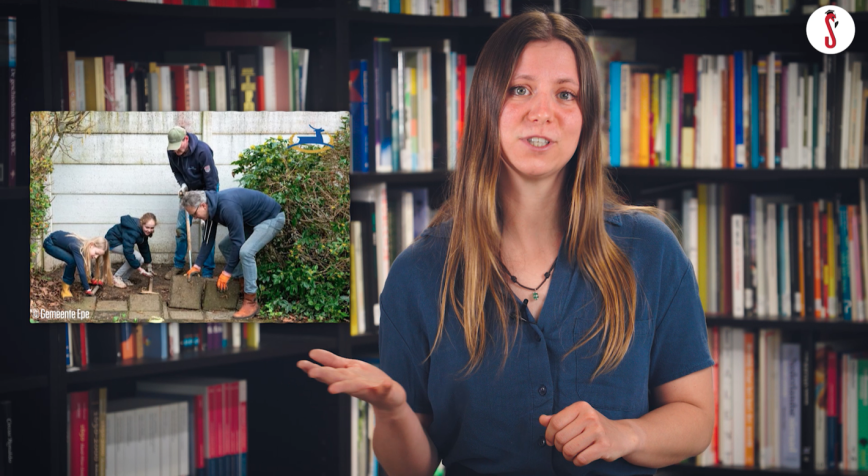
"Leave it to the experts. You don't understand the technical stuff." A thought city planners sometimes have. But urban designer and researcher Jan Lim (KU Leuven) argues for something different: meaningful citizen involvement. "City planning isn't just technical. It's also political... These choices shape the kind of city we live in. So citizens need to talk about them."
Paulien
Leemans
UAntwerpen
VUB

How waste-eating microbes could reinvent your beauty routine

Would you rub fossil fuels on your face? Because chances are… you already do.

Paulien Leemans explains how glowing skin doesn’t have to come at the planet’s expense. By reprogramming bacteria, she turns waste like used cooking oil into sustainable skincare ingredients. From greasy leftovers ... to glowing skin.
Vincent
Vangrunderbeek
VUB

Outsmarting rust with AI: predicting steel's silent enemy

In 2018, the Morandi bridge in Genoa collapsed, killing 43 people. The culprit? Rust. To prevent tragedies like this, Vincent Vangrunderbeek investigates how rust develops on steel surfaces, in order to help us move from random checks to smart, preventive maintenance of bridges and buildings.
Jente
Bontinck
Karel de Grote Hogeschool Antwerpen

Stop home nurses dropping out due to pain

Who will care for us... if our nurses themselves are unable to work? No less than 1 in 4 nurses in Flanders suffer from physical complaints due to heavy physical labour, irregular shifts and high work pressure caused by staff shortages. Together with home care organisations, Jente Bontinck and her colleagues are looking at how they can identify pain complaints earlier and prevent them from getting worse. Because good care starts with caring for the caregiver.